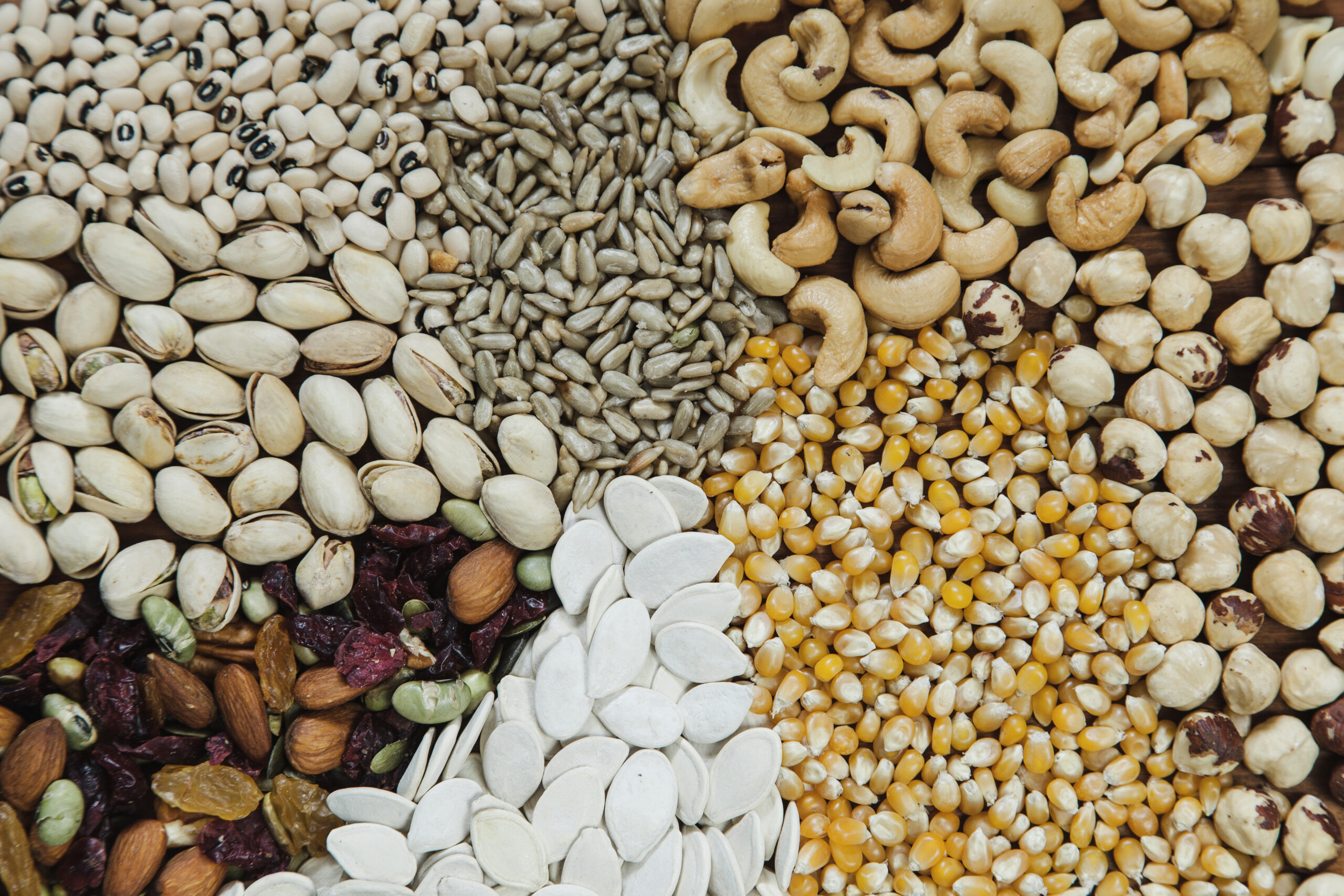
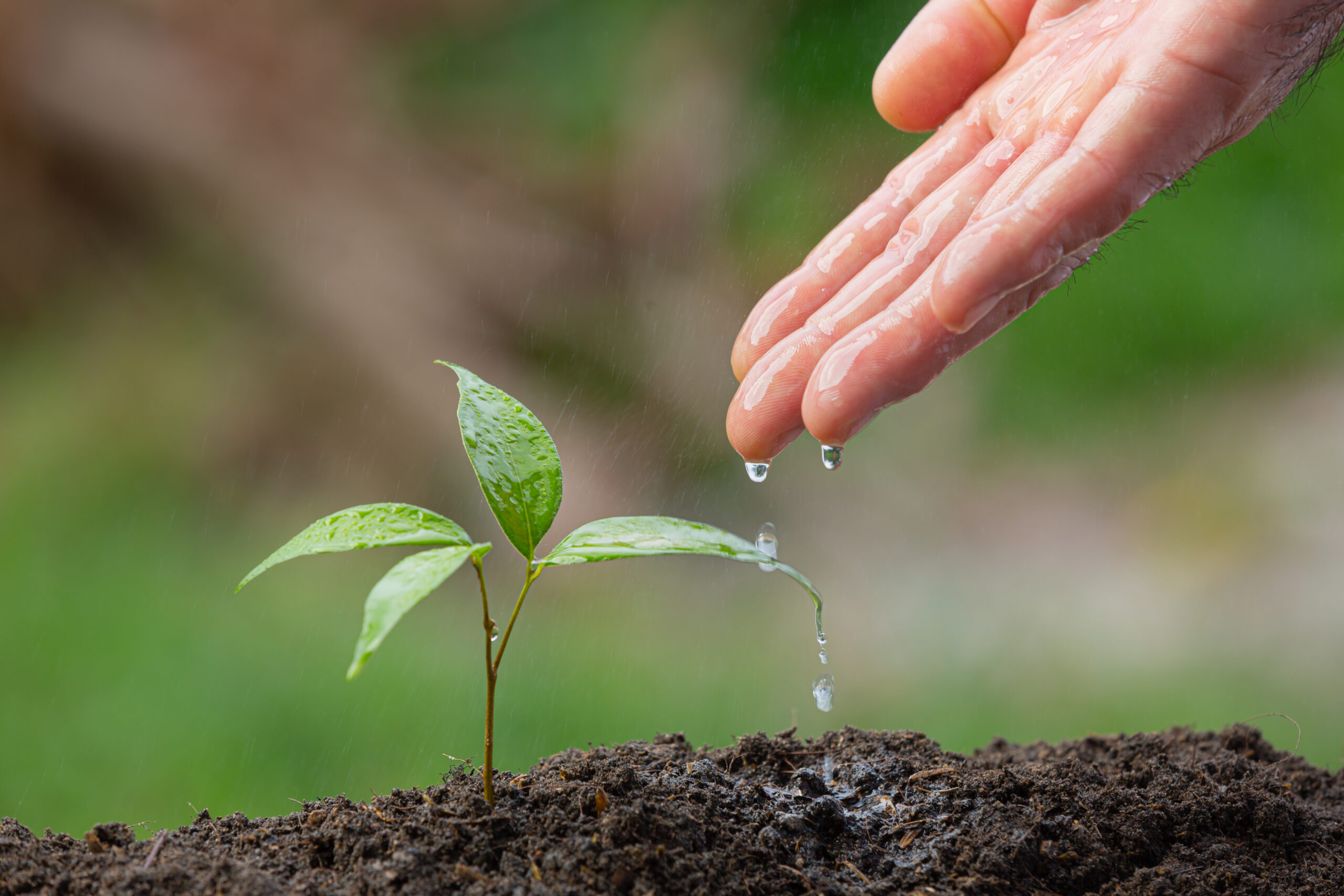
Organic fertilizers are derived from natural sources like plant or animal matter, or minerals. They include various types like compost, animal manures, plant-based meals, and rock minerals.
We offer the whole range of Organic Fertilizers that are specifically formulated to address the specific needs of various crops grown according to the local soil and plant conditions.
Compost : Decomposed organic matter (leaves, food scraps, etc.) provides a slow-release source of nutrients and improves soil structure.
Green Manure : Crops grown and then incorporated into the soil to add organic matter and nutrients.
Plant Meals : Dried and ground plant products like alfalfa meal, cottonseed meal, or soybean meal, rich in nitrogen and other nutrients.
Kelp/Seaweed Extracts : Contain macronutrients, micronutrients, and growth hormones.
Compost Tea : A liquid extract from compost, providing nutrients and beneficial microbes.
Animal Manure : From various animals (cattle, poultry, etc.) – a traditional source of nutrients.
Bone Meal : Ground animal bones, a good source of phosphorus and calcium.
Blood Meal : Dried and powdered blood, high in nitrogen.
Fish Emulsion : Made from fish byproducts, a source of nitrogen and other nutrients.
Rock Phosphate : Finely ground phosphate rock.
Limestone : Used to increase soil pH in acidic soils.
Humic Acid : A naturally occurring substance derived from decaying plant matter, known for its benefits to soil health.
From breathtaking landscapes to the smallest creatures, we celebrate the diversity and magnificence of our planet. Through our carefully curated content, we aim to educate.
Used for the control of various types of weeds that interfere the growth of the crop. These include Annual, Perennial and Biennial Weeds