Crop insects encompass a wide range of arthropods that can damage crops. These include sucking insects like aphids, whiteflies, and thrips; chewing insects like caterpillars, grasshoppers, and beetles; and boring insects like weevils and moths. Additionally, mites, while not insects, are significant pests in some crops.
Small, soft-bodied insects that suck plant sap, causing stunted growth, leaf curling, and potentially transmitting diseases.
Whiteflies :
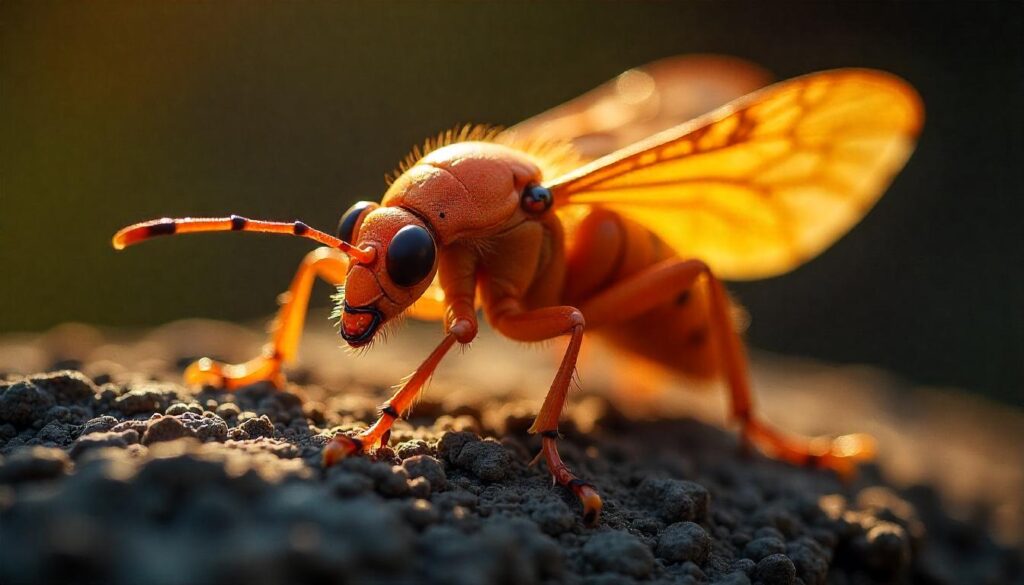
Tiny, winged insects that suck sap, causing yellowing and wilting of foliage, and can produce honeydew.
Thrips :
Slender insects with fringed wings that damage leaves and flowers, leading to distortion and discoloration.
Mites :
Tiny, arachnid-like pests that suck plant juices, causing yellowing, stippling, and spotting on leaves.
Chewing Insects
Caterpillars :
Larval stage of moths, which can defoliate plants or feed on fruits and stems.
Grasshoppers/Locusts :
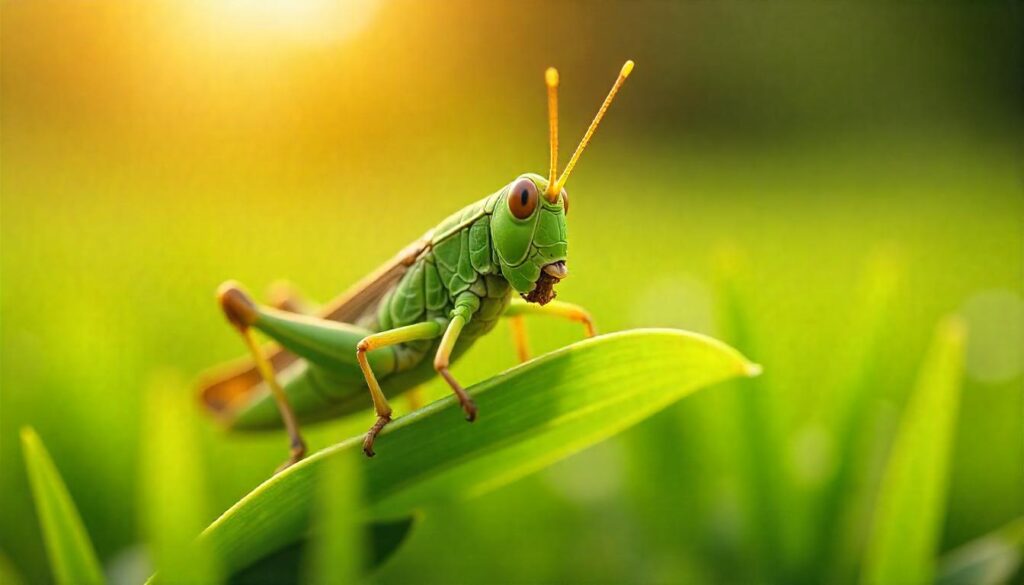
Large, jumping insects that consume plant tissue and can cause extensive damage to crops.
Beetles :
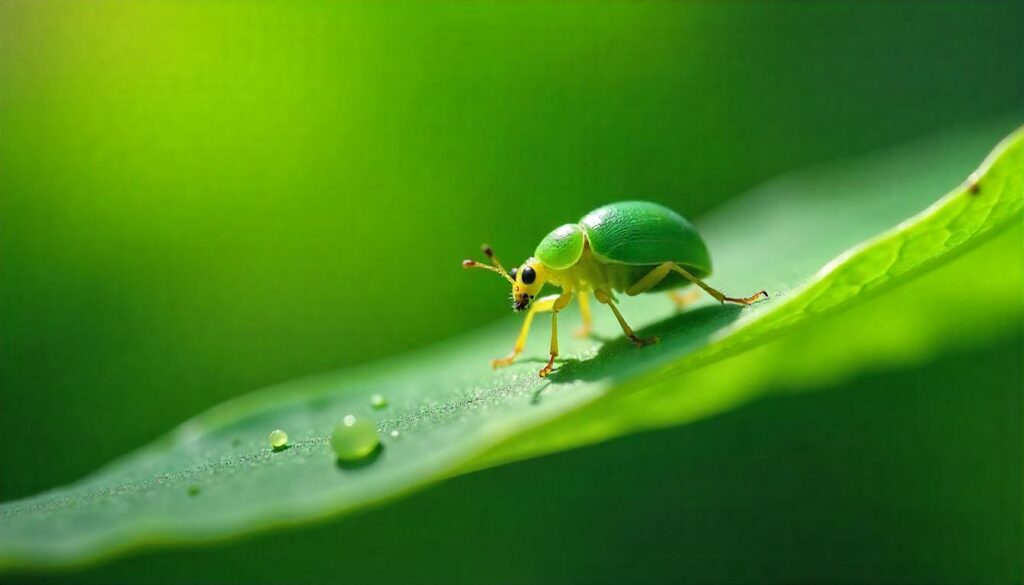
Various species of beetles can damage crops by feeding on leaves, roots, or fruit.
Boring Insects
Weevils :
Beetles with a snout, many of which bore into plant parts, such as stems, roots, or fruits.
Moths :
Some moth larvae, like caterpillars, can bore into plant tissues, causing damage to stems and roots.
We offer various types of Insecticides as per below :
Insecticides are broadly classified into four categories based on their chemical nature : organic, synthetic, inorganic, and miscellaneous compounds. Within these categories, there are further distinctions based on their mode of action, such as contact, systemic, and ingested insecticides, as well as specific chemical classes like organophosphates, pyrethroids, and neonicotinoids.
We offer a wide range of Insecticides covering the various modes of actions as per below :
Mode of Actions :
Contact Insecticides :
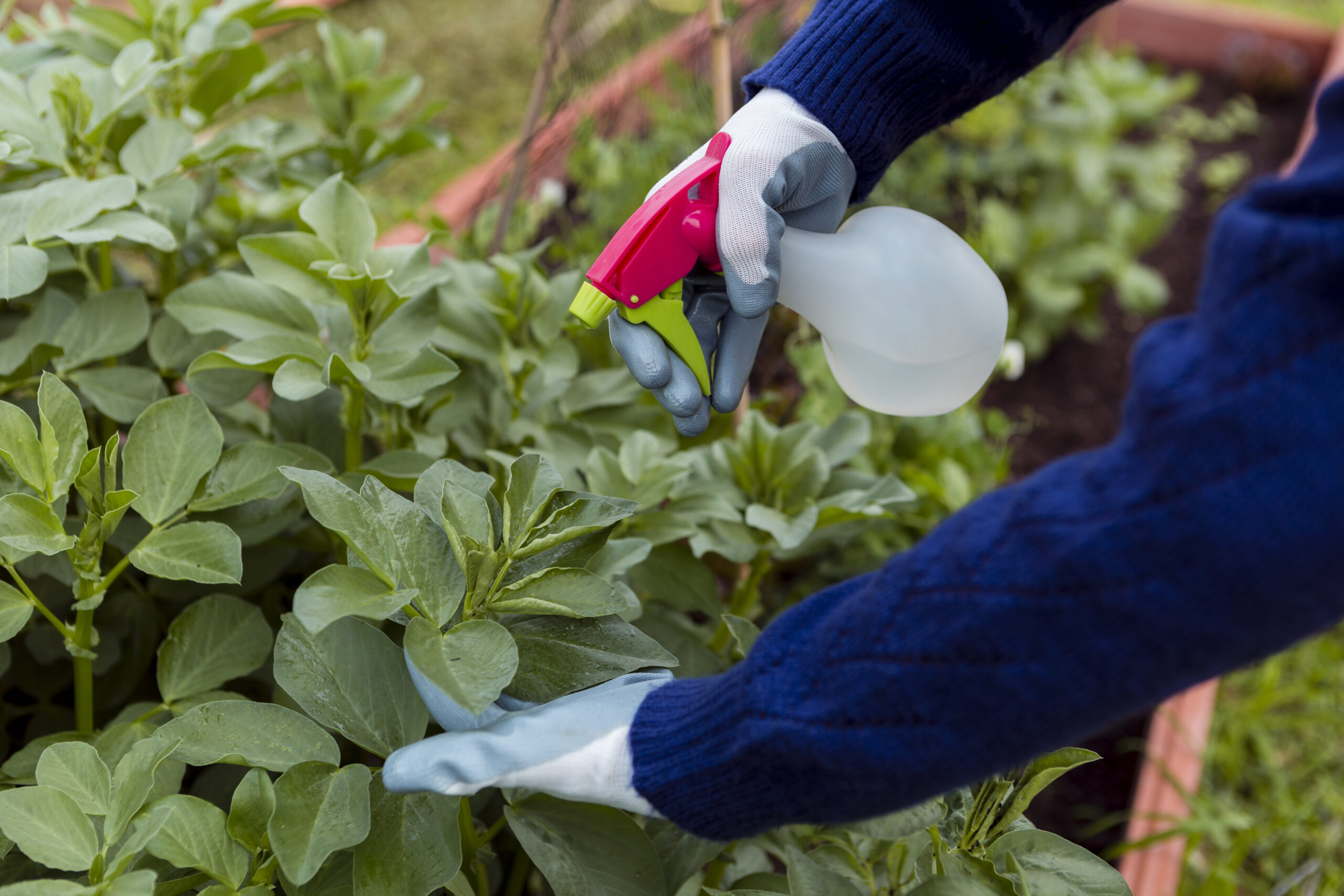
These insecticides kill insects by direct contact, often through spraying or other topical applications. They are commonly used in household pest control and agriculture to target insects on the surface of plants or other areas.
Systemic Insecticides :
These insecticides are absorbed by the plant and move throughout its tissues, protecting it from insect damage. Insects ingest the insecticide, which then kills them. They can be applied directly to the soil or foliage and are taken up by the plant’s roots or leaves. Systemic insecticides have residual or long-term activity.
Our products cover the full range of different chemical types which allows for selecting the right product for the target insect
Organophosphates :
These are insecticides containing phosphorus which are derived from one of the phosphorous acids. Organophosphates are effective in controlling insect populations since they inhibit the functioning of their nervous system. They are especially effective against sucking insects that feed on plant juices. They have little residual activity which is why they have become very popular in use as they can meet the residual tolerance limits that may be in place for crop production.
Pyrethroids :
These synthetic insecticides are derived from natural pyrethrins but are more potent and persistent. They are effective against many insect pests and are widely used in agriculture and household pest control.
Carbamates :
Carbamates are insecticides that are derived from carbamic acid. They are effective in eliminating insects but they can also be rapidly detoxified from mammal tissues, making them less toxic to animals and humans.
Neonicotinoids :
This class of insecticides is known for its high efficacy and systemic action, meaning it can be absorbed by the plant and move throughout its tissues. They are used to control a wide range of agricultural pests
Biological Insecticides :
These insecticides are derived from natural sources like plants, bacteria, or fungi. They are often more environmentally friendly and may have a narrower range of activity compared to synthetic insecticides.
Innovative Agricultural Chemicals & Solutions for a Sustainable Future
We are a trusted company specializing in agricultural chemicals and customized solutions, committed to enhancing crop productivity through high-quality products and expert support. Our goal is to help farmers thrive in a modern, sustainable agricultural landscape.