Fungicides

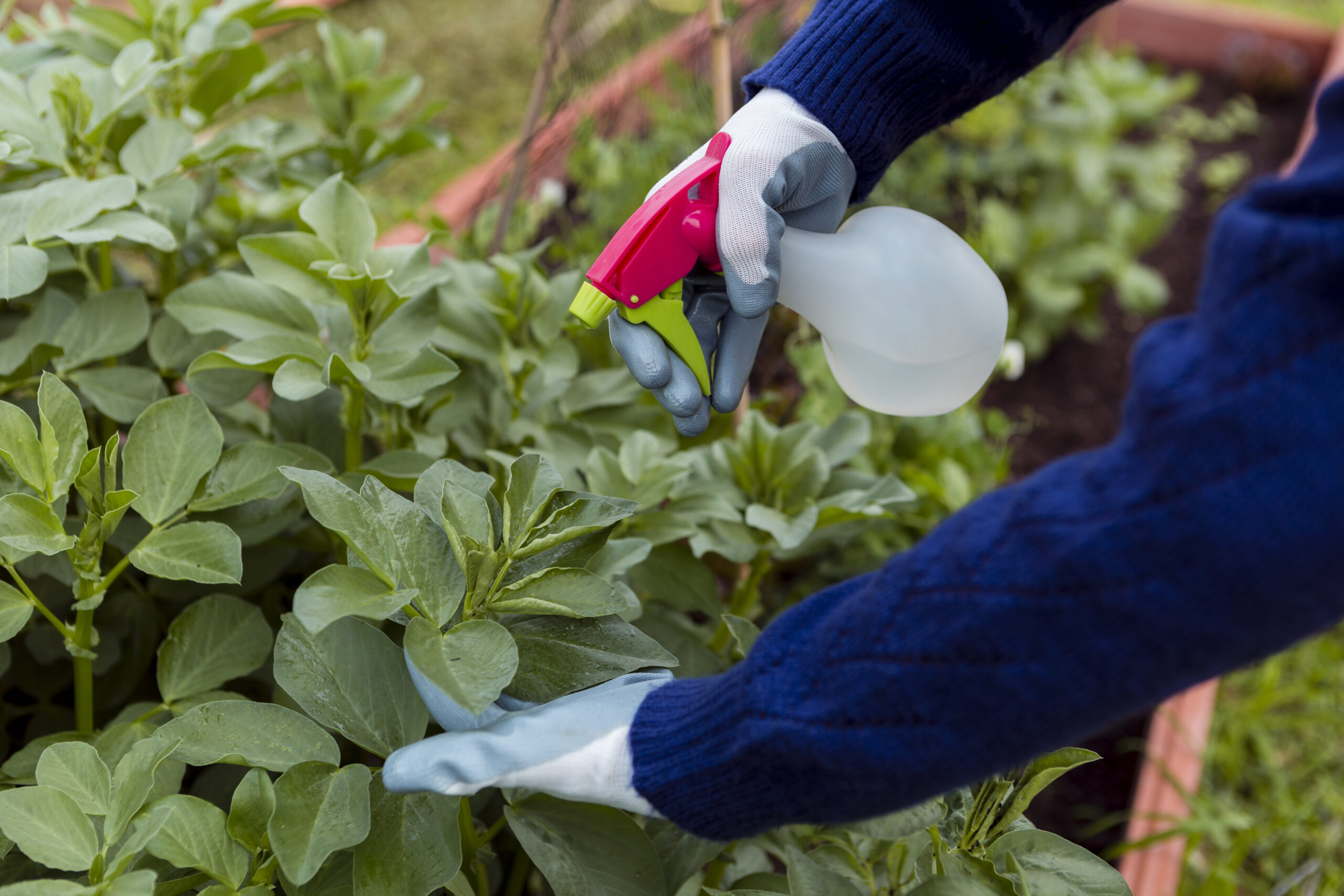
Used to prevent and treat fungal diseases in crops. Our range of Fungicide products can control a vast spectrum of fungal diseases in various crops.

Crop fungus, or fungal pathogens, are a significant threat to agricultural crops, causing various diseases that can reduce yield and quality. Some major fungal diseases include powdery mildew, downy mildew, rust, Fusarium, and Botrytis. These diseases can infect various parts of the plant, including leaves, stems, roots, and fruits.

Here’s a more detailed look at some common types of crop fungus :

Powdery Mildew :

This fungal disease causes a white, powdery coating on the upper surface of leaves, often on roses and clematis.
Downy Mildew :

This disease is known for causing discolored and withered leaves, often affecting cucurbits. 
Rust :

Various types of rust fungi infect crops, causing pustules (small, raised bumps) on leaves, stems, and sometimes fruits.
Fusarium :

Fusarium diseases can affect various crops, causing root rot, stem rot, and blight, leading to reduced plant vigor.
Botrytis :

Botrytis, or gray mold, can cause rots in various crops, affecting fruit, flowers, and stems.

Anthracnose :

Anthracnose is a disease that causes small, dark lesions on leaves and fruits, often leading to premature defoliation and fruit rot. 

Leaf Spot :

Several fungi can cause leaf spot diseases, resulting in small, circular spots on leaves.

Clubroot :

This disease primarily affects cruciferous plants like cabbage and cauliflower, causing swollen roots and distorted plant growth. 

Our range of Fungicide products have various modes of action to address a wide range of fungal diseases that needs to be treated

Fungicides are broadly classified into three main types: contact, systemic, and translaminar, based on how they interact with the fungus and the plant.

Contact Fungicides :

These fungicides are applied directly to the plant surface and prevent fungal spores from germinating. They are effective against surface infections and are often used as preventive measures.

Systemic Fungicides :

These fungicides are absorbed into the plant and move throughout its vascular system, providing internal protection. They are particularly effective against internal infections but may have a slower onset of action compared to contact fungicides.

Translaminar Fungicides:

These fungicides offer a combination of contact and systemic properties. They deposit on the leaf surface and can move a short distance into the leaf tissue, providing both surface and internal protection. 

Innovative Agricultural Chemicals & Solutions for a Sustainable Future

We are a trusted company specializing in agricultural chemicals and customized solutions, committed to enhancing crop productivity through high-quality products and expert support. Our goal is to help farmers thrive in a modern, sustainable agricultural landscape.

Most Recent Posts

  • All Post
  • Crop Nutrition
  • Crop Protection
  • Seeds
  • Tak Berkategori

Category

About Us

Our Story

Team

Clients

Testimonials

Social Media

© 2025 Created with EDS