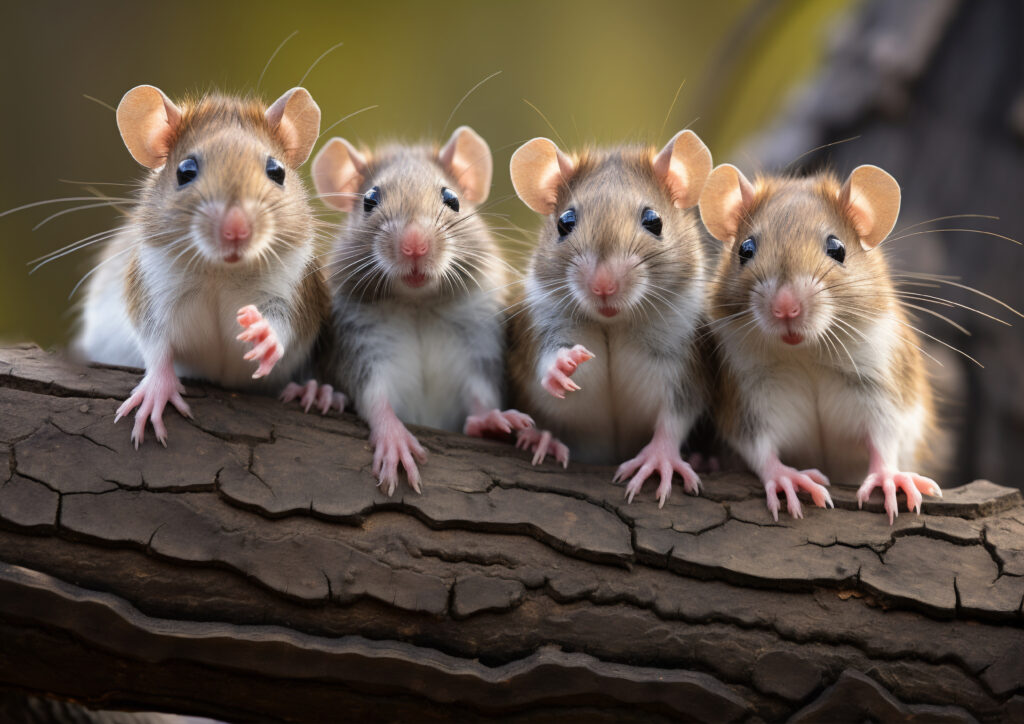
Used to control population of rodents such as rats
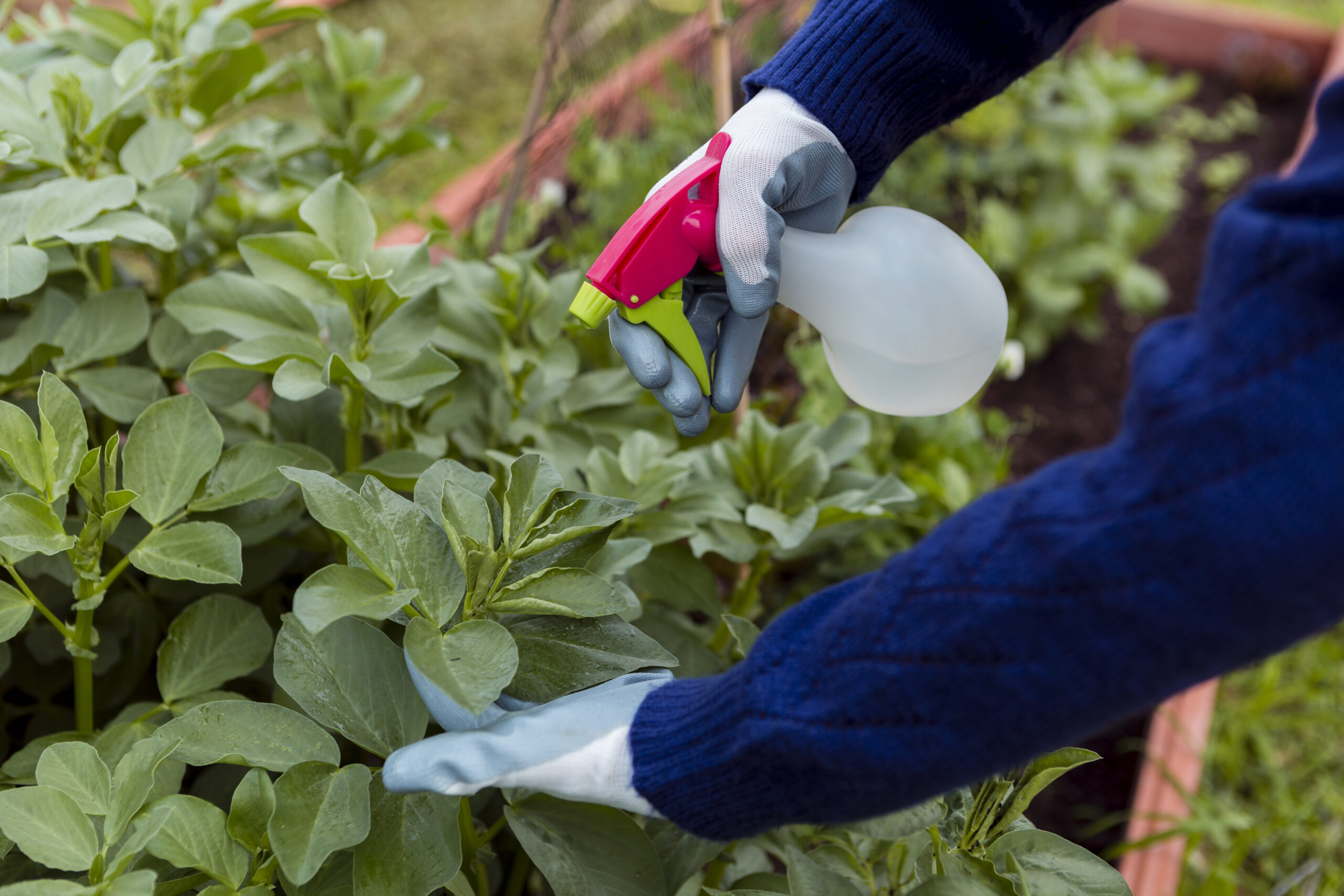
Our products can control the variety of rodents that appear in crops
Rodenticides used in crop fields are generally classified as either anticoagulants or non-anticoagulants. Anticoagulants prevent blood clotting, leading to death from internal bleeding, while non-anticoagulants work through different mechanisms, such as neurotoxicity or other organ damage. Anticoagulants are further bifurcated into First-generation and Second-generation
In Indonesian rice fields, the primary rodent pests are the rice field rat (Rattus argentiventer), the black rat (Rattus rattus), and the lesser bandicoot rat (Bandicota bengalensis). These rodents cause significant damage to crops by feeding on seeds, seedlings, and mature plants, as well as by damaging bunds and creating tunnels.
Innovative Agricultural Chemicals & Solutions for a Sustainable Future
We are a trusted company specializing in agricultural chemicals and customized solutions, committed to enhancing crop productivity through high-quality products and expert support. Our goal is to help farmers thrive in a modern, sustainable agricultural landscape.